
The Pros and Cons of Water Softener Systems | If you live in Calgary, you’ve probably noticed the effects of hard water at some point. Mineral spots on faucets, cloudy dishes, soap that doesn’t lather well, and appliances that seem to wear out faster than they should.
A water softener is one of the most common solutions homeowners consider. But like any upgrade, it’s worth understanding both the advantages and the drawbacks before installing one.
Here’s a practical look at the pros and cons of water softener systems and whether one might make sense for your home.
What Is a Water Softener?
Hard water contains higher levels of minerals, mainly calcium and magnesium. While these minerals aren’t harmful to drink, they can cause scaling inside pipes, water heaters, and household appliances over time.
Water softeners use a process called ion exchange, which replaces calcium and magnesium with sodium or potassium to reduce mineral buildup.
According to the Government of Canada’s Natural Resources department, mineral scale in appliances can reduce efficiency and increase energy use over time.
https://natural-resources.canada.ca
For many homeowners, that’s the main reason they start looking into water treatment options.

The Benefits of Water Softener Systems
Reduced Mineral Buildup
One of the biggest benefits of softened water is reducing scale buildup inside plumbing systems.
Hard water deposits can slowly accumulate inside pipes, water heaters, and appliances like dishwashers. Over time, this buildup restricts water flow and forces equipment to work harder.
The Canada Mortgage and Housing Corporation (CMHC) notes that mineral scaling can affect plumbing fixtures and appliance performance if left untreated.
https://www.cmhc-schl.gc.ca
By reducing scale buildup, a water softener can help extend the life of plumbing components and household appliances.
Better Soap and Detergent Performance
Hard water reacts with soap and detergent, making them less effective. This is why many homes with hard water experience:
• soap scum in showers and sinks
• cloudy or spotted dishes
• laundry that feels stiff or dull
Softened water allows soap to dissolve more effectively, often meaning you can use less detergent for the same results.
Easier Cleaning Around the Home
If you’ve ever scrubbed mineral spots off faucets or shower glass, you already know how stubborn hard water residue can be.
Softened water can help reduce those deposits, which means less time spent cleaning surfaces like:
• glass shower doors
• sinks and faucets
• tile and bathroom fixtures
• kettles and coffee makers
For many homeowners, this convenience alone makes water softeners appealing.
The Drawbacks of Water Softeners
While water softeners offer clear advantages, they’re not always the right solution for every home.
Installation Costs
Installing a water softener requires an upfront investment. Costs depend on the size of the system, plumbing layout, and installation requirements.
Homeowners should also consider ongoing costs such as:
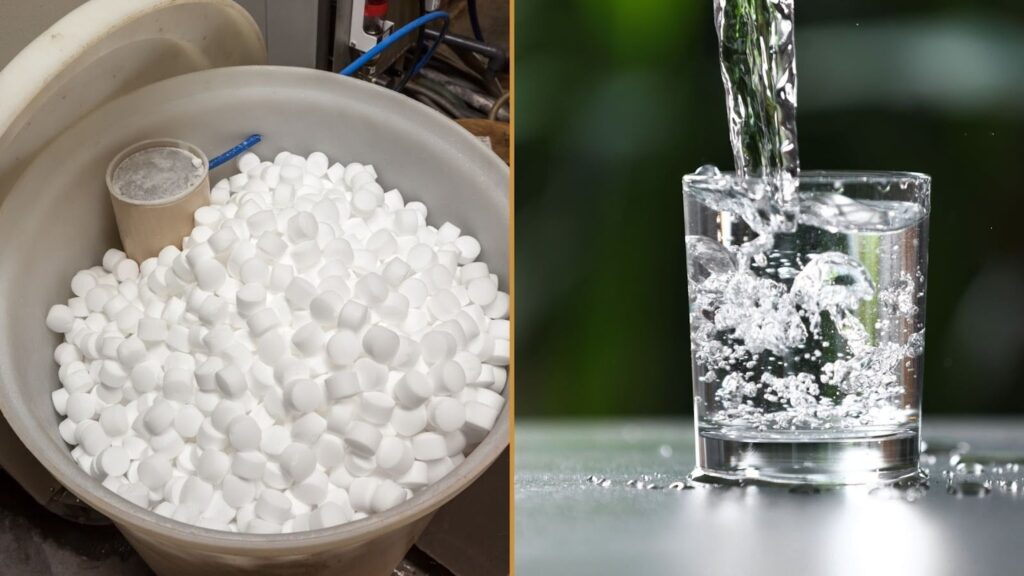
• salt refills
• maintenance
• occasional servicing
While many people find the long-term benefits worthwhile, it’s still important to factor in the total cost.
Regular Maintenance
Water softeners require some routine maintenance to keep working properly.
Most systems need:
• periodic salt refills
• occasional cleaning of the brine tank
• professional servicing if issues arise
Without regular upkeep, the system may lose efficiency or stop softening water effectively.
Slight Changes in Water Taste
Because water softeners replace minerals with sodium or potassium, some people notice a small change in taste.
The Mayo Clinic notes that softened water is safe to drink, but people on strict low-sodium diets may prefer untreated drinking water.
https://www.mayoclinic.org
For this reason, some homeowners install a separate drinking water filter for their kitchen tap.
Do All Calgary Homes Need a Water Softener?
Not necessarily.
Some homes benefit more than others depending on factors like:
• plumbing system age
• household water usage
• appliance sensitivity to mineral buildup
• personal preference
If mineral scale is damaging fixtures or causing repeated plumbing issues, a water softener may help reduce those problems.
If you’re unsure whether your home would benefit, it’s always worth getting advice from a professional plumber who understands local water conditions.
You can learn more about plumbing services available in Calgary on the
What is the Flush Plumbing Services website:
https://whattheflushplumbingservices.com
Final Thoughts
Water softeners can offer several benefits, including improved appliance efficiency, easier cleaning, and reduced mineral buildup in plumbing systems.
At the same time, they come with installation costs and maintenance requirements that homeowners should consider before installing one.
If you’re dealing with persistent hard water issues, understanding both the pros and cons of water softener systems can help you make the right decision for your home.
📞 (587) 969-4194
🌐 https://whattheflushplumbingservices.com