
Understanding Your Water Bill | Understanding Your Water Bill starts with knowing where your water is going and how everyday plumbing habits impact your monthly costs.
For many homeowners, the water bill is something they glance at, pay, and move on from. But that number can actually tell you a lot about what’s happening inside your plumbing system. Sudden increases, gradual changes, or consistently high usage often point to underlying issues that are easy to miss.
Why Your Water Bill Matters
Your water bill is more than just a monthly expense. It’s one of the clearest indicators of how efficiently your plumbing system is working.
Unlike visible problems like a leaking faucet or a clogged sink, many plumbing issues develop quietly. A small leak, a running toilet, or a damaged underground pipe can waste significant amounts of water without obvious signs inside your home.
That’s why paying attention to changes in your bill can help catch problems early, before they turn into costly repairs.
Breaking Down Your Water Bill
To get real value from your bill, it helps to understand what you’re being charged for.
Most residential water bills include:
- Water consumption: The amount of water your household uses, usually measured in cubic metres
- Wastewater charges: Fees based on how much water goes back into the system
- Fixed service fees: Standard charges for maintaining infrastructure
When understanding your water bill, it’s important to focus on usage trends rather than just the total cost. If your consumption increases without a clear reason, it’s usually a sign that something has changed in your home. You can review how local billing works through the City of Calgary’s water utility billing page.
Seasonal changes can play a role, too. Outdoor watering, filling pools, or increased household activity can raise usage. But if the numbers don’t match your habits, it’s worth investigating further.
Where Most Water Gets Used in Your Home
A large portion of your water usage comes from a few key areas:
- Toilets: One of the biggest contributors, especially if they’re running or inefficient
- Showers and bathtubs: High daily usage, particularly in larger households
- Faucets: Kitchen and bathroom sinks add up quickly over time
- Appliances: Dishwashers and washing machines can use significant amounts, depending on age and efficiency
Even small inefficiencies in these areas can have a noticeable impact on your monthly bill. According to the Government of Canada, household water use varies significantly depending on habits and fixtures.
Common Reasons Your Bill Is Higher Than Expected
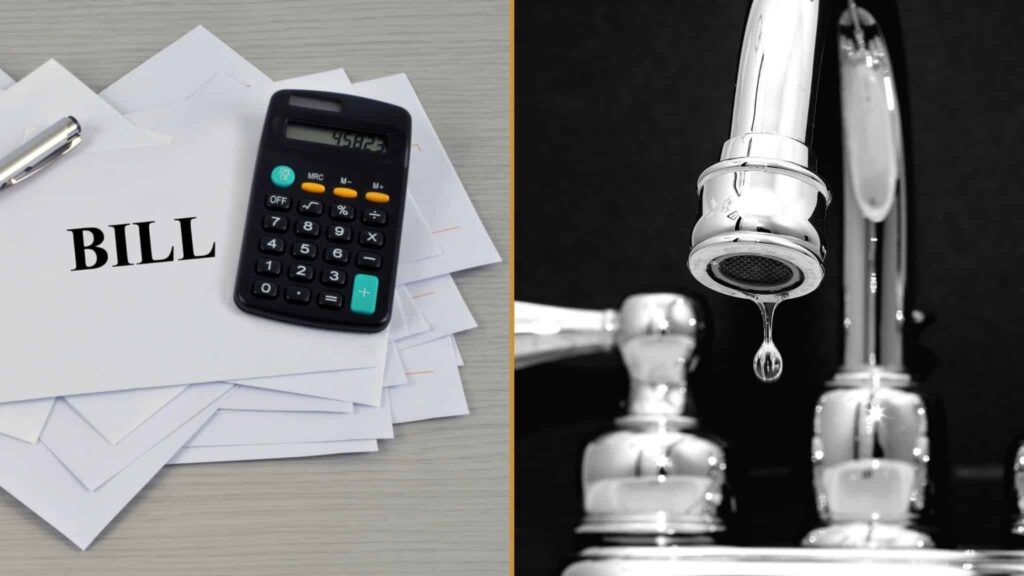
If your water bill suddenly spikes, there’s usually a reason behind it. Some of the most common causes include:
- Running toilets that continuously cycle water
- Slow leaks under sinks or behind walls
- Dripping faucets that seem minor but add up over time
- Older fixtures that use more water than modern alternatives
- Outdoor usage, including irrigation systems or hose leaks
When understanding your water bill, these everyday issues are often the first place to look. They’re easy to overlook but can waste hundreds or even thousands of litres each month.
Hidden Plumbing Problems That Increase Costs
Some of the most expensive water issues aren’t visible at all.
- Underground leaks can allow water to escape before it even reaches your home.
- Tree root intrusion can damage pipes and restrict flow
- Corroded or aging pipes may leak slowly over time
These problems often go unnoticed until the bill increases or a larger issue develops. In some cases, you may not see any visible signs inside your home, which makes monitoring your usage even more important.
If you suspect something deeper is going on, professional leak detection can help identify the source without unnecessary digging or disruption.
Simple Ways to Lower Your Water Bill
Reducing your water costs doesn’t always require major changes. A few practical steps can make a noticeable difference:
- Fix leaks as soon as they appear
- Replace outdated fixtures with more efficient options
- Be mindful of daily water habits
- Check outdoor systems for hidden leaks or overuse
Regular maintenance also plays a role. Services like drain cleaning help keep your system flowing properly and prevent buildup that can lead to bigger problems over time.
When to Call a Professional
While some issues are easy to spot, others require a closer look.
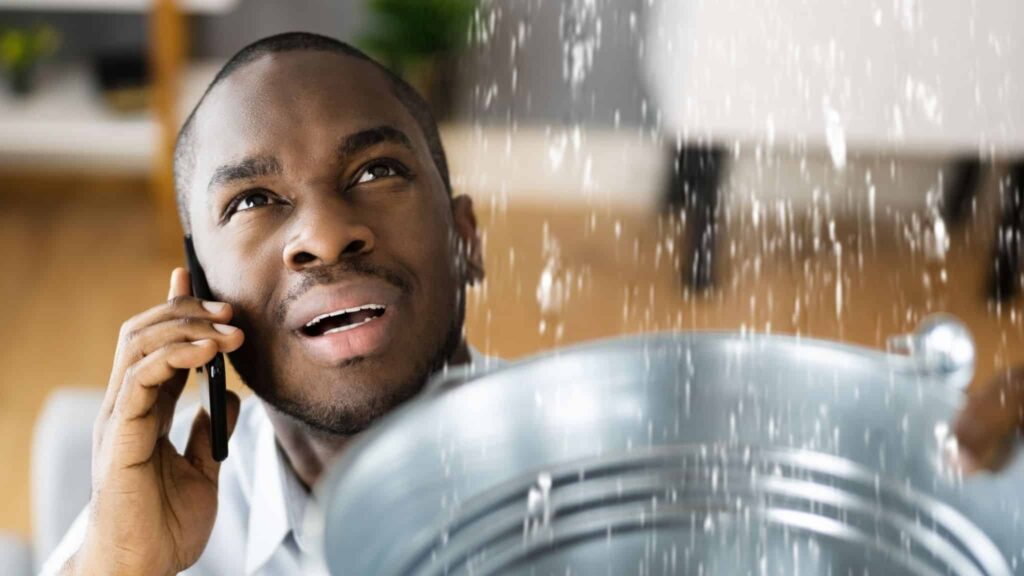
It may be time to call a plumber if you notice:
- A sudden or unexplained increase in your bill
- Ongoing high usage despite normal habits
- Signs of water damage or moisture
- Slow drains or recurring clogs
In more urgent situations, quick action matters. Access to emergency plumbing services can prevent small problems from turning into major repairs.
Final Thoughts
Taking the time to monitor and interpret your water bill can save you money and help protect your home.
By understanding your water bill, you’re not just tracking usage — you’re gaining insight into the condition of your plumbing system. Small changes in your bill often point to issues that are much easier and less expensive to fix early.
If something doesn’t seem right, it’s always better to have it checked before it becomes a bigger problem.
Contact What The Flush Plumbing Services
Phone: (587) 969-4194
Website: https://whattheflushplumbingservices.com