
Regular Plumbing Inspections Calgary | You’re making coffee, heading to bed, or just getting home from work… and then you hear it. A rush of water behind a wall or a sudden drip from the ceiling. Within minutes, a burst pipe can turn a calm day into a real emergency.
In Calgary, sudden temperature swings and ageing plumbing mean burst pipes are more common than most homeowners expect. Left unchecked, that water can damage floors, walls, furniture, and electrical systems in a very short time.
The good news: a few quick, calm steps can dramatically reduce the damage before an emergency plumber arrives. This guide walks you through what to do immediately after a pipe bursts so you can protect your home, your budget, and your peace of mind.
1. Put Safety First
Before you worry about the mess, make sure everyone is safe.
- Keep kids and pets away from the affected area.
- If water is near electrical outlets, appliances, or your breaker panel, do not step into standing water.
- If you can safely reach it on dry ground, switch off power to the affected room or level at the breaker.
If anything feels unsafe, step back and wait for help. No repair is worth risking a shock or a fall.
2. Shut Off the Main Water Supply
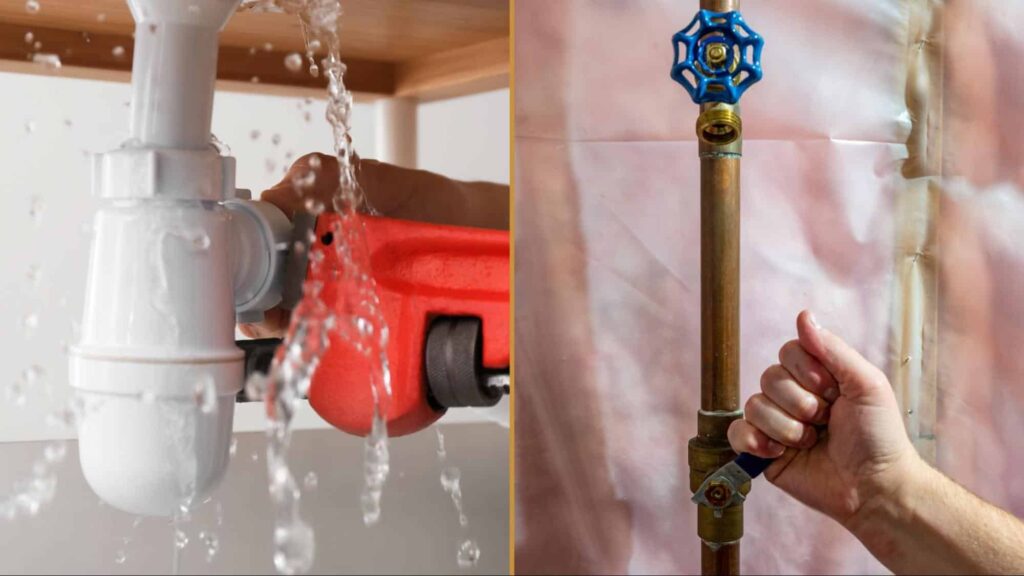
The single most important step after a pipe bursts is stopping the flow of water.
Most Calgary homes have a main shut-off valve:
- Where the water line enters the house (often in the basement or mechanical room), or
- Near the hot water tank or meter.
Turn the valve clockwise until it stops. This cuts water to the entire house and prevents additional flooding.
Not sure where your main shut-off is? This is a good reminder to locate it ahead of time and show other family members, something we also recommend in ourfrozen pipes blog.
If you can’t find the valve or it won’t turn, call an emergency plumber right away and let them know what you’re seeing.
3. Relieve Pressure in the System
Once the main water is off, there’s still water sitting inside your pipes. Carefully releasing that pressure helps reduce further leaking.
- Open cold taps throughout your home, starting with the top floor and working down.
- Flush toilets once.
- If you know how to safely turn off power or gas to your hot water tank, you can then open hot taps to let that water drain as well. If you’re unsure, leave the hot water alone and wait for a professional.
These simple steps encourage water to drain out of the system instead of forcing its way through the damaged section.
4. Call an Emergency Plumber in Calgary
With the water off and pressure relieved, it’s time to bring in the experts.
The Flush offers 24/7 emergency plumbing across Calgary, handling burst pipes, leaks, sewer backups, and other urgent calls for both homes and businesses. When you call, be ready to share:

- Where do you think the pipe burst (ceiling, wall, basement, outside line)
- How much water are you seeing?
- Whether power has been shut off in the affected area
- Any previous plumbing issues in that spot (frozen pipes, repairs, renovations)
This helps the plumber arrive prepared with the right tools and parts, which can speed up repairs and limit the disruption to your day.
5. Protect Belongings and Contain the Water
While you wait for the plumber, you can start minimizing damage to your home and belongings.
- Move furniture, rugs, electronics, and boxes out of the wet area.
- Use towels, mops, and buckets to soak up and catch water.
- If you have a wet/dry vacuum and can use it safely, it can help pull water out of carpets and hard-to-reach spots.
- Suppose water is dripping from a ceiling, place buckets or containers underneath. Do not poke holes or cut drywall on your own if you’re unsure what’s behind it.
The goal here isn’t to fully dry the space, which will take time and professional help, but to stop water from spreading to untouched areas.
6. Document the Damage for Insurance
Once things are under control, take a few minutes to document what’s happened. It can make insurance claims and future repairs much smoother.
- Take clear photos and short videos of:
- The burst area (if visible)
- Any standing water
- Damaged flooring, walls, ceilings, and belongings
- The burst area (if visible)
- Note the date, time, and when you first noticed the problem.
- Keep digital copies of any plumber invoices or receipts for emergency mitigation equipment (fans, dehumidifiers, etc.).
Your insurance provider can guide you on the next steps, but good documentation is always in your favour if you end up making a claim.
7. Start Drying Out the Area
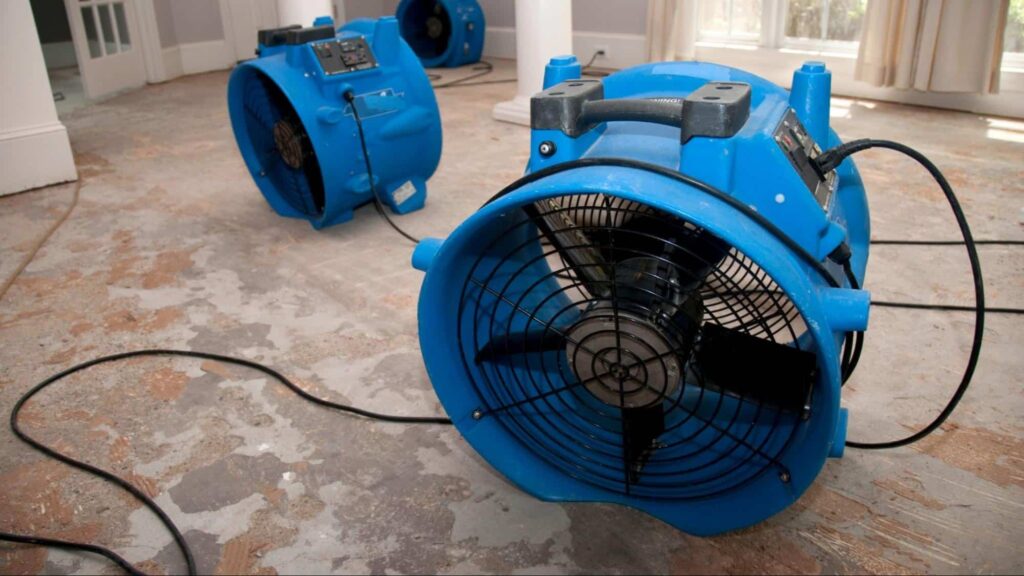
After the pipe has been shut off and an emergency plumber is on the way or has already made repairs, the next priority is drying.
Long-term moisture leads to mould, odours, and structural damage, especially in basements and finished living spaces.
You can:
- Run fans to keep air moving.
- Open windows for fresh air when temperatures allow, and it’s safe to do so.
- Use a dehumidifier in damp rooms.
- Lift or remove small sections of soaked carpet and underlay if advised by your plumber or restoration company.
For larger floods or if water has soaked into walls, ceilings, or insulation, you may need a dedicated restoration company. Your plumber can often recommend local partners who handle this kind of work every day.
8. Have the Plumber Check for Hidden Issues
Once the immediate leak is repaired, it’s tempting to move on. But a burst pipe is often a symptom of a bigger problem.
Ask your plumber to:
- Inspect nearby sections of pipe for corrosion, wear, or previous patch jobs.
- Check water pressure levels to ensure they’re not putting extra strain on your system.
- Recommend whether a camera inspection of your lines makes sense, especially if the burst happened near older drain or sewer pipes.
Catching weak spots early can prevent another surprise down the road.

9. Understand Why the Pipe Burst
Knowing why this happened helps you avoid a repeat.
Common causes in Calgary include:
- Freezing and thawing in poorly insulated areas
- Long-term corrosion in older metal pipes
- Water hammer (sudden pressure spikes when valves close quickly)
- Previous DIY repairs that didn’t fully address the issue
Your plumber can usually point to the likely cause once they’ve opened things up. If freezing is involved, make a plan to better protect those lines before the next cold snap hits. For a deeper look at prevention, our frozen pipe guide is a helpful next read.
10. Put a Prevention Plan in Place
After an emergency, it’s worth taking a little extra time to protect your home for the long term. Consider:
- Insulate vulnerable pipes in unheated basements, crawl spaces, garages, and exterior walls.
- Sealing drafts around foundation penetrations, windows, and doors.
- Installing smart leak detectors near hot water tanks, washing machines, and under sinks to catch future leaks early.
- Scheduling routine plumbing checks, especially in older homes or properties that have had previous issues.
Small upgrades now are almost always cheaper than another burst pipe later.
When a Pipe Bursts, You Don’t Have to Handle It Alone
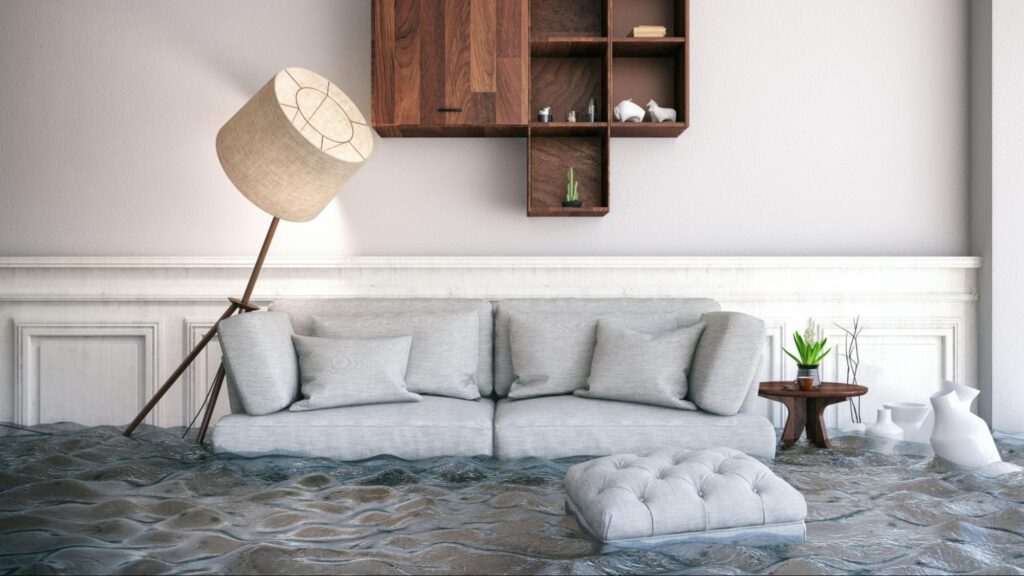
A burst pipe is stressful, messy, and often completely unexpected. But with quick action and the right help, regular plumbing inspections in Calgary can limit the damage and get your home back to normal faster.
If you’re dealing with a burst pipe right now or want to talk through prevention before something happens, the team at What The Flush Plumbing Services is here 24/7 to help Calgary homeowners and businesses with emergency repairs, drain cleaning, and full-service plumbing.

Call (587) 969-4194 any time for fast, local support from a family-run Calgary plumbing company that treats your home like its own.